
Atlanta Divorce Decree Records
Atlanta divorce decree records are held by the Fulton County Superior Court, the court that handles all divorce filings for residents of Atlanta and the surrounding Fulton County area. If you need to find, obtain, or verify a divorce decree tied to an Atlanta case, this guide covers where to search, what the records contain, how Georgia law shapes the process, and what resources are available to help you along the way.
Atlanta Divorce Decree Quick Facts
Fulton County Superior Court: Where Atlanta Divorce Records Are Kept
The Fulton County Superior Court is the keeper of all Atlanta divorce decrees. Every divorce case filed by an Atlanta resident goes through this court, and the Clerk of Superior Court stores those records for public access. The clerk's office is located at 136 Pryor Street SW, Suite C155, Atlanta, GA 30303. You can reach them by phone at (404) 613-5313. Their official website is fultoncountyga.gov/Superior-Court, and the divorce and marriage records section lives at fultoncountycourt.us/divorce-records.
When you request a copy in person, bring a valid photo ID. The filing fee for a divorce in Fulton County is $223. Certified copies of decree pages cost $2.50 for the first certified page. If you're searching online or by mail, the clerk's office can guide you through the steps to get what you need. Note: The court does not provide legal advice, but staff can help you find where specific records are stored.
The Fulton County court processes a high volume of cases, so it helps to have as much case information as possible before you contact the office. Knowing the case number, the names of both parties, and the approximate year of the divorce will speed things up. Walk-in visits are also an option if you want to search indexes in person.
The court's own description of what a decree contains says it well: "A divorce decree shows the specific terms of a divorce. A copy is required to help enforce court decisions about spousal support, custody and visitation, child support, and the division of a couple's debts and assets." That's why people need these records. They're not just historical documents. They carry legal weight long after the case closes.
The Fulton County Superior Court divorce records portal is the starting point for any Atlanta divorce decree search.
The Fulton County marriage and divorce records page shows how to request records and what information is available online.
This screenshot shows the Fulton County Superior Court's divorce records section, where Atlanta residents can begin their search for decree copies and case information.
What an Atlanta Divorce Decree Contains
A divorce decree is the final court order that ends a marriage. It's different from a divorce certificate, which is just a short document confirming the divorce happened. The decree is the full document, and it contains the actual terms the court set.
What you'll typically find inside a decree: the names of both parties, the date the divorce was granted, the grounds for divorce, any custody and visitation arrangements, child support amounts and payment schedules, spousal support (alimony) terms if applicable, how property and debts were divided, and any name change orders. Some decrees also include consent orders or settlement agreements that were incorporated into the final judgment.
As the court notes, "A divorce certificate may be needed for name changes or remarriage." That's the short form. But if you need to prove what custody schedule applies, or enforce a support order, you'll need the full decree. Banks, courts, and government agencies often ask for certified copies. The Clerk of Superior Court is the only office that can issue certified copies of Fulton County divorce decrees. No other agency can do that for you.
If a decree has been modified after the original judgment, those modification orders are separate court records. They're also filed with the clerk. Make sure you request the most recent version if the case has had post-decree changes.
Georgia Divorce Law and Atlanta Cases
Georgia law gives the Superior Court exclusive authority over divorce cases. Under OCGA 19-5-1, Superior Courts have jurisdiction over all divorce and alimony matters in the state. That means no other court in Atlanta can grant a divorce. Every case goes through the Superior Court.
To file for divorce in Fulton County, at least one spouse must have lived in Georgia for six months before filing. That's a hard requirement set by OCGA 19-5-2. If neither party meets the residency requirement, the court won't have jurisdiction, and the case can't proceed. Once the residency requirement is met and the divorce petition is served on the other party, Georgia law requires a 30-day waiting period before the court can enter a final decree.
Georgia recognizes 13 grounds for divorce. Most Atlanta divorces are filed on the "irretrievably broken" no-fault ground, which is found in OCGA 19-5-3. No-fault means neither party has to prove wrongdoing. They simply agree, or one party claims, that the marriage can't be saved. The court accepts that and moves forward. The divorce petition itself must be a written petition verified by the person who files it, as required by OCGA 19-5-5.
The Fulton County Clerk of Superior Court's main website provides access to court records and filing information for Atlanta divorce cases.
The Fulton County Superior Court website is the official source for court information, fees, and online record access tools.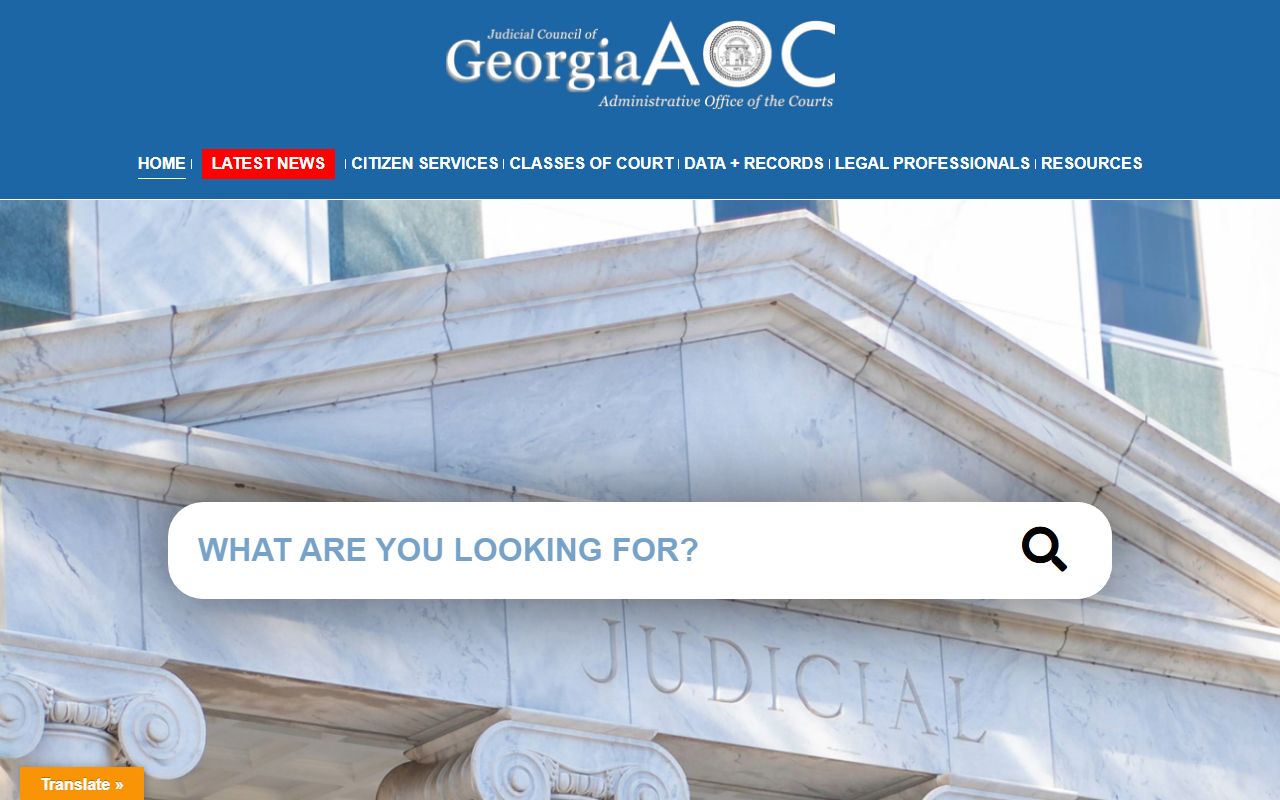
The Fulton County Clerk's website includes tools for searching case records and information on how to obtain certified copies of Atlanta divorce decrees.
Public Access to Atlanta Divorce Decrees
Divorce decrees are public records in Georgia. The Georgia Open Records Act, OCGA 50-18-70, gives the public the right to inspect and copy most government records, including court files. Anyone can request a divorce decree from the Fulton County Superior Court clerk, not just the parties to the case.
There are exceptions. A judge can seal divorce records if they contain sensitive information, such as details about minor children, medical records, or financial account numbers. Sealed records are not publicly accessible. If a record is sealed, the clerk's office will let you know, though they can't always tell you why it's sealed. Most Atlanta divorce cases are not sealed, and the basic case information is available to the public.
For divorces that happened between 1952 and 1996, the Georgia Department of Public Health (DPH) can provide a verification that the divorce occurred, but not a full copy. Their address is 1680 Phoenix Boulevard, Suite 100, Atlanta, GA 30349, and their phone is (404) 657-2700. You can find more at dph.georgia.gov/VitalRecords. As the DPH explains, "Although the department can confirm divorces, copies of the records are held by the Clerk of the Superior Court in the county where the divorce was granted." So for a full decree, always go to the court.
Note: Records from before 1952 may be available only through the court's physical archives. Check with the clerk on older case access.
Legal Help for Atlanta Divorce Decree Issues
Not everyone who needs a divorce decree also needs a lawyer. But if you're dealing with a contested case, trying to enforce a decree, or modifying existing orders, legal help can make a big difference. There are several places to look in Atlanta.
Georgia Legal Services Program serves people who can't afford a private attorney. Their website is glsp.org. Georgia Legal Aid at georgialegalaid.org also provides guides and resources on divorce and family law. Both sites have tools to help you find local legal aid offices and understand your rights under Georgia law. For a licensed attorney referral, the State Bar of Georgia's website at gabar.org has a lawyer search tool you can use to find family law attorneys in the Atlanta area.
Self-represented litigants can also find official divorce forms through the Georgia Courts website at georgiacourts.gov/a2j/self-help-resources/family-law/divorce-forms/. These forms cover both contested and uncontested divorce situations. Using the right form matters. Filing an incorrect form can delay your case or result in a rejection from the clerk's office.
The Georgia Courts portal at georgiacourts.gov also provides general information about how the court system works, which can help if you're new to navigating the process.