
LaGrange Divorce Decree Records
LaGrange divorce decree records are filed and stored at the Troup County Superior Court, the official court of record for all divorce cases in LaGrange and the rest of Troup County. If you need to find or obtain a divorce decree connected to a LaGrange case, this guide explains where to search, what the records include, how Georgia divorce law applies, and where to get help if you need it.
LaGrange Divorce Decree Quick Facts
Troup County Superior Court: LaGrange Divorce Records
The Troup County Superior Court holds every divorce decree filed for LaGrange residents. The courthouse is located right in town at 100 Ridley Avenue, LaGrange, GA 30240, so in-person visits are straightforward. The Clerk of Superior Court manages the filing and storage of all divorce case records. You can reach the clerk's office by phone at (706) 883-1740. The county's official website is troupcountyga.gov, where you'll find contact details and office hours.
When visiting in person, bring a valid photo ID and as much case information as you can gather. The names of both parties and the approximate year of the divorce will help staff locate the record quickly. Certified copies of divorce decrees are available through the clerk's office for a fee. If you can't visit in person, call ahead to ask about mail-in request procedures, as many Georgia clerks accept written requests by mail.
The Troup County clerk's staff can guide you toward the right case index and explain what forms or fees apply. They don't give legal advice, but they can point you to the right file.
The Troup County Superior Court website screenshot below shows the county's official portal where you can find clerk contact information and office resources for LaGrange divorce decree searches.
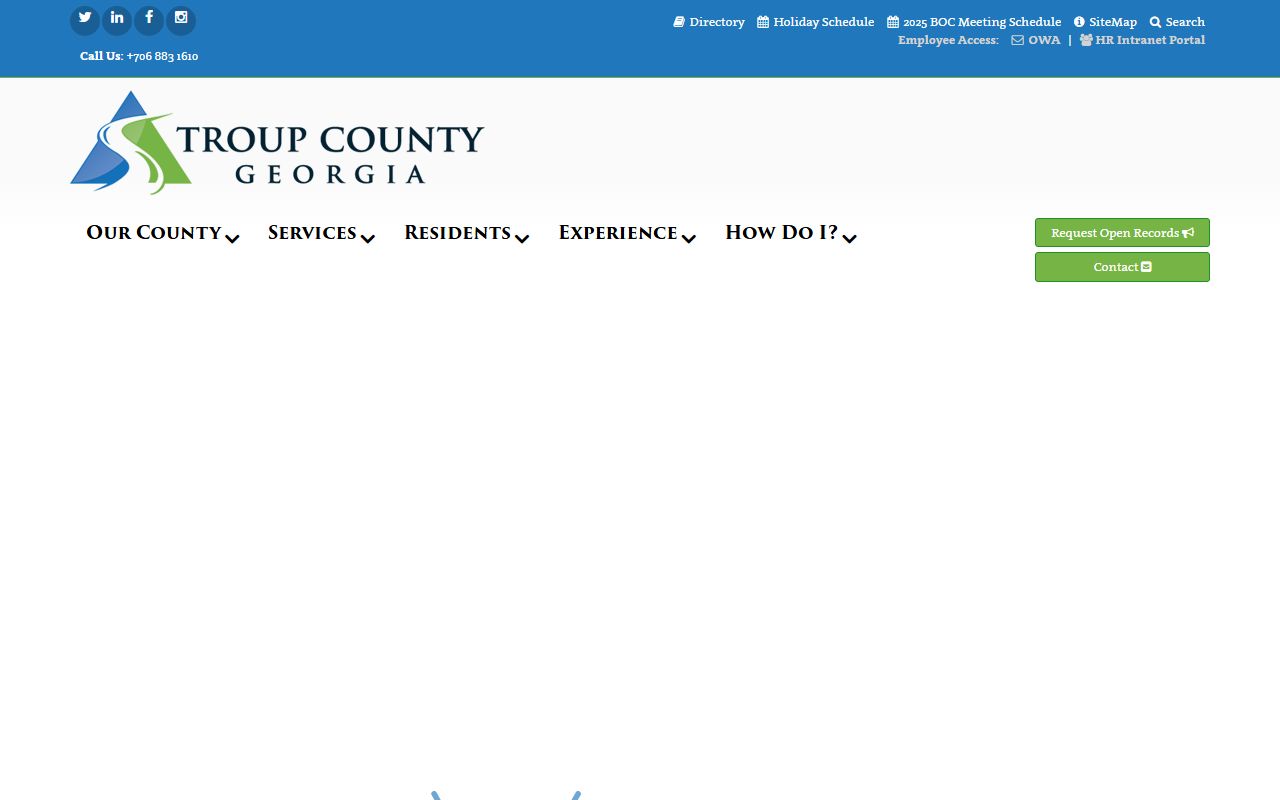
The site lists office hours, address details, and how to reach staff for record requests.
What a LaGrange Divorce Decree Contains
A divorce decree is the court's final order in a divorce case. It spells out what the judge decided on every key issue. For LaGrange cases, that typically means the terms of the property split, debt allocation, child custody and support arrangements, and whether either spouse receives alimony. The decree also states the legal grounds for the divorce and confirms that the marriage is officially dissolved.
Beyond the decree itself, the case file may include the original petition, the respondent's answer, any temporary orders, financial disclosure forms, and the final settlement agreement if the parties reached one. These documents are part of the public court record and can be accessed through the Troup County Superior Court clerk.
Some parts of a case file can be sealed. Records involving minor children, for example, may have certain sections restricted. If you're searching for a specific document and it doesn't turn up, ask the clerk whether any portion of the file is restricted.
Note: A divorce decree is not the same as a divorce certificate from the state health department. The decree is the actual court order and includes case details. A certificate is just a short summary issued for identification purposes.
Georgia Divorce Law and LaGrange Cases
Georgia law gives Superior Courts exclusive authority over divorce cases. Under OCGA 19-5-1, no other court in the state can grant a divorce. That means every LaGrange divorce, past or present, went through the Troup County Superior Court.
To file for divorce in Georgia, at least one spouse must have lived in the state for a minimum of six months before filing. This residency rule comes from OCGA 19-5-2. For LaGrange residents, that means six months of continuous residence in Georgia before the petition is filed. If both spouses lived in Georgia for that period, either can file in the county where either one resides.
Georgia law lists 13 grounds for divorce under OCGA 19-5-3. Most couples in LaGrange use the no-fault ground, which requires showing the marriage is irretrievably broken. There are also fault-based grounds, including adultery, abandonment, and cruelty, though these are less common in practice. The choice of grounds can affect property division and alimony, so it's worth understanding before filing.
After the divorce petition is served on the other party, Georgia law requires a waiting period of at least 30 days before the court can finalize the case. In contested matters with disputes over property or children, the process takes longer. Under OCGA 19-5-5, the petition must be in writing and verified by the person filing it.
Georgia DPH: Divorce Verification for Older LaGrange Cases
The Georgia Department of Public Health maintains a separate statewide index of divorces granted between 1952 and 1996. This record set is different from the court file. DPH can confirm that a divorce occurred and provide basic details, but it cannot supply a certified copy of the actual decree. That must come from the Troup County Superior Court.
If you're trying to verify an older LaGrange divorce and aren't sure where the case was filed, the DPH index can be a useful starting point. Contact DPH at 1680 Phoenix Boulevard, Suite 100, Atlanta, GA 30349, or call (404) 657-2700. Their vital records website is at dph.georgia.gov/VitalRecords. As DPH states directly: "Although the department can confirm divorces, copies of the records are held by the Clerk of the Superior Court in the county where the divorce was granted."
The Georgia DPH Vital Records database screenshot below shows the state's online portal for divorce verification requests covering the 1952 to 1996 period.

The site provides information on how to request verification of older divorce records by mail or online.
Note: For divorces filed after 1996, skip DPH and go directly to the Troup County Superior Court clerk for all records.
Public Access to LaGrange Divorce Records
Divorce decrees filed in Troup County are public records under Georgia law. The Georgia Open Records Act, found at OCGA 50-18-70, gives the public the right to inspect and copy government records, including court files. Anyone can walk into the Troup County Superior Court clerk's office and request access to a divorce case file, as long as no part of it has been sealed by a judge.
Courts can seal records in limited situations. Cases involving children's personal information, domestic violence, or other sensitive matters may have portions restricted. If a record is sealed, the clerk will tell you what, if anything, is available. The fact that a divorce case exists is generally still visible in the public index even when parts of the file are sealed.
Georgia Courts also offers general information and self-help resources at georgiacourts.gov, including divorce forms at georgiacourts.gov/a2j/self-help-resources/family-law/divorce-forms/. These forms can help you understand what documents are part of a typical divorce case file.
Legal Help for LaGrange Divorce Matters
If you need legal help with a divorce in LaGrange, several organizations offer free or low-cost services. Georgia Legal Services Program serves west Georgia, including Troup County. Their website is glsp.org, and they assist low-income individuals with family law matters, including divorce cases.
Georgia Legal Aid at georgialegalaid.org offers an online guide to finding legal assistance across the state. You can search by county to find resources closest to LaGrange. The State Bar of Georgia at gabar.org maintains a lawyer referral service if you need a private attorney. Many family law attorneys in the LaGrange area offer initial consultations at low or no cost.
Self-help resources from the Georgia Courts website can also walk you through the basics of filing a divorce petition if you plan to represent yourself. Pro se filers, meaning people who file without an attorney, are common in uncontested cases where both parties agree on all terms.