
Dougherty County Divorce Decree Records
Dougherty County divorce decree records are filed with the Clerk of Superior Court in Albany, Georgia. The clerk's office is the official keeper of divorce case files and final decrees for the county. Georgia law makes most divorce decrees public records, allowing anyone to request a copy. This page explains how to search for and get Dougherty County divorce records, what they include, fees involved, and where to find legal help.
Dougherty County Divorce Decree Quick Facts
Getting Divorce Decrees from Dougherty County
The Dougherty County Clerk of Superior Court maintains all divorce records for the county. The office is at 225 Pine Avenue, Albany, GA 31701. Reach them by phone at (229) 431-3211. You can also check the Dougherty County website for clerk contact details and current service information. In-person visits to the Albany courthouse are the most direct way to obtain a certified copy of a divorce decree in Dougherty County.
When you arrive, bring the full legal names of both parties and the approximate year the divorce was filed. A case number will speed up the search but is not required. Bring a valid photo ID. The clerk's staff can search records by name or case number. If you are looking for older records that may be stored in an archive, ask in advance how long retrieval takes. For in-office searches of recent cases, you can often get a copy the same day.
Mail requests are accepted at the Albany address. Send a written request with the case details, your contact information, and the required fee. Include a self-addressed stamped envelope. Mail processing takes longer than in-person visits. Call (229) 431-3211 first to confirm the current fee before mailing payment so your request is not delayed. Dougherty County is a larger county in southwest Georgia, so the clerk's office typically processes a higher volume of requests than smaller counties.
Residents of Albany file their divorce cases with the Dougherty County Superior Court. The Albany courthouse at 225 Pine Avenue serves all residents of the city and the surrounding county.
What Dougherty County Divorce Records Contain
A Dougherty County divorce decree is the Superior Court's final order that legally dissolves a marriage. It includes both parties' full legal names, the date the divorce was granted, the judge's signature, and all terms the court approved. Property division, debt allocation, and spousal support terms appear in the decree when those were part of the case. For cases involving children, the decree also details custody arrangements, visitation rights, and child support amounts. The decree is binding on both parties and can be enforced by the court.
Certified copies of the divorce decree are often required for a range of legal and personal needs. You will need one to remarry in Georgia or most other states. Government agencies, financial institutions, and courts accept certified copies as legal proof. Name change applications for a driver's license, Social Security card, or passport often require a certified copy of the divorce decree. Keep your certified copy in a safe place. It is easier to request extra copies at the time of the original request than to come back later.
The case file at the Dougherty County clerk's office includes more than the final decree. It may contain the original divorce petition, financial affidavits, discovery documents, motions, court orders, and any settlement agreement. Most of these are public. Portions may be restricted if the judge issued a sealing order, particularly for financial records or documents involving minor children. Note: Ask the clerk whether any portion of the case file is restricted before submitting a full records request.
Dougherty County Divorce Record Fees
Copy fees for divorce records in Dougherty County are set by the clerk's office. Call (229) 431-3211 before your visit to confirm current rates. Certified copies cost more than plain photocopies. The total depends on how many pages the decree and attached orders span. For most decrees, the fee is a manageable amount, but longer files can add up. The clerk can give you an estimate once they know how many pages are involved.
A filing fee is charged when a divorce case is first opened in Dougherty County Superior Court. This is separate from copy fees paid later when requesting records. The filing fee is set by the court and may be adjusted periodically. If cost is a barrier, the clerk can tell you whether fee waiver options are available and what documentation is required. Georgia courts allow waivers in qualifying circumstances based on financial hardship.
Note: Dougherty County clerk's office may accept cash, check, money order, or credit card. Confirm accepted payment types when you call before your visit.
Georgia Divorce Laws That Govern Dougherty County Cases
Georgia law governs all divorces filed in Dougherty County. Under OCGA 19-5-1, Georgia courts can grant divorces on multiple legal grounds. The most common is the no-fault ground of irretrievable breakdown of the marriage. Neither party needs to prove wrongdoing to use this ground. Georgia also allows fault-based divorces under OCGA 19-5-3, including grounds such as adultery, cruel treatment, desertion, and habitual intoxication. Most Dougherty County cases use the no-fault approach.
Before filing in Dougherty County, at least one spouse must have lived in Georgia for six months. This residency requirement is in OCGA 19-5-2. Once filed, a 30-day waiting period applies before the court can issue the final decree. If both spouses agree on all terms, the case can often be resolved at a brief hearing. If there are contested issues around property or children, the case may take longer. Dougherty County Superior Court has exclusive jurisdiction over all county divorce matters.
Divorce decrees filed in Dougherty County become public records under the Georgia Open Records Act. Public access is the default. Courts can seal specific documents in a case, but that is done by individual court order and is not the standard for most divorces.
Public Access to Dougherty County Divorce Decrees
Dougherty County divorce records are public. Anyone can request a copy of a divorce decree from the Clerk of Superior Court in Albany without being a party to the case. In-person requests at 225 Pine Avenue are the most straightforward. Provide the party names and approximate filing date, pay the fee, and you can receive a certified copy the same day if the record is on-site.
The image below shows the Dougherty County Clerk of Superior Court, the official repository for all Dougherty County divorce decree records.
The Dougherty County website has contact information for the clerk's office, including phone number and hours of operation.
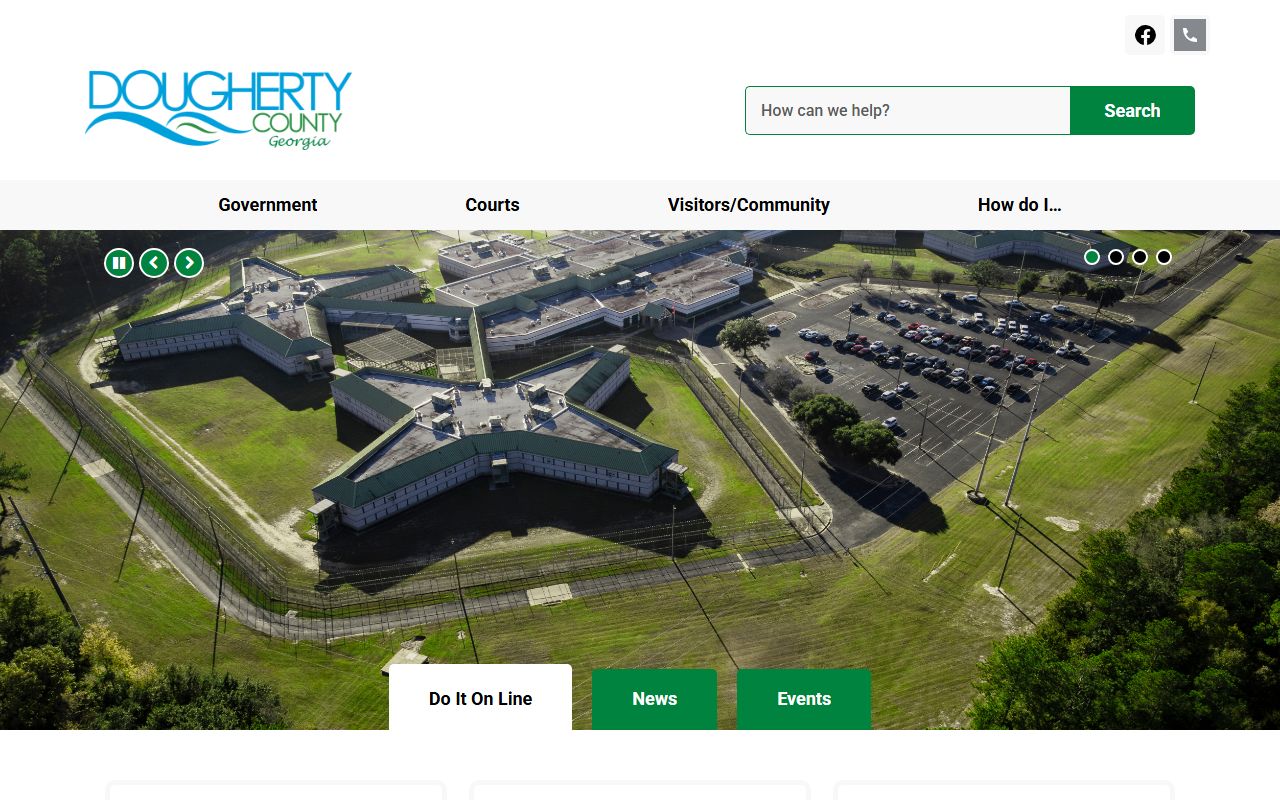
The Albany courthouse clerk's office processes divorce decree requests for all cases filed in Dougherty County, including cases for residents of the city of Albany.
For state-level divorce verifications covering 1952 to 1996, the Georgia Department of Public Health at 1680 Phoenix Blvd, Suite 100, Atlanta, GA 30349, phone (404) 657-2700, maintains a separate database. These are verifications only, not full decrees. The Dougherty County clerk is the source for complete records. The Georgia Courts website has general information about Superior Court procedures statewide.
Legal Help for Divorce in Dougherty County
Georgia Legal Aid serves qualifying Dougherty County residents with free legal services, including help with divorce filings and court procedures. Georgia Legal Services Program may also have staff or volunteers who can assist with your case. For those who need a private attorney, the State Bar of Georgia lawyer referral service can connect you with a family law attorney in the Albany area.
For straightforward uncontested divorces, self-help forms are available through the Georgia Courts self-help portal. If your case involves contested assets, child custody, or fault-based grounds, talking with an attorney before filing is strongly recommended. The Dougherty County clerk's staff can tell you what forms to file locally but cannot give legal advice.