
Find Divorce Records in Glascock County
Glascock County divorce decree records are filed and maintained by the Clerk of Superior Court in Gibson, Georgia. This small county in the central-east part of the state handles divorce filings through the same Superior Court system used across Georgia, and the records are open to the public under the Georgia Open Records Act. This guide explains how to request a divorce decree, what those records typically contain, what fees to expect, and how Georgia divorce law applies to cases in Glascock County.
Glascock County Divorce Decree Quick Facts
How to Get Glascock County Divorce Decrees
The Glascock County Clerk of Superior Court is the official source for divorce decree records in this county. The office is located at 62 E. Main Street, Gibson, GA 30810. You can reach the clerk by phone at (706) 598-2084. The Glascock County website may have current hours and contact details. Because Glascock is a smaller county, in-person visits are often the fastest way to get what you need.
When you request a record, be ready with details about the case. The full names of both spouses, the year the divorce was filed or finalized, and a case number if you have one will all help the clerk find the record. For most requests, a valid photo ID is expected. Mail requests are also accepted. Write to the clerk's office at the address above, explain what you need, and include a self-addressed stamped envelope. Call ahead to ask about current copy fees before sending any payment.
Smaller county clerks sometimes have limited staff, so calling before you visit is smart. Processing times for mail requests may be longer than in a larger county.
For general information on how Superior Court records work in Georgia, the Georgia Courts website is a solid starting point. Divorce is classified as a civil case, so it falls under the same records rules that apply to other civil court matters throughout the state.
What Glascock Divorce Records Contain
A divorce decree is the final court order that dissolves a marriage. The Glascock County Superior Court clerk stores the full case file, which includes the original petition for divorce, any responses filed by the other spouse, temporary orders issued while the case was active, and the final decree signed by the judge. Settlement agreements, consent orders, and any exhibits or financial disclosures attached to the case are also part of the file.
The final decree names both parties and gives the exact date the marriage was legally ended. It will spell out how property and debts were divided if those issues were contested or settled by agreement. If the couple had minor children, the decree includes custody arrangements and child support terms. Requests for name restoration, where one spouse returns to a prior name, appear in the decree as well. These details are part of the public record in the large majority of cases.
If you only need to verify that a divorce occurred and not the specific terms, the Georgia Department of Public Health Vital Records office maintains a divorce verification index covering the years 1952 through 1996. For divorces outside that range, the Glascock County clerk is your only official option. The Vital Records office is at 1680 Phoenix Blvd, Suite 100, Atlanta, GA 30349, and can be reached at (404) 657-2700.
Glascock County Divorce Decree Fees
Copy fees at the clerk's office cover the cost of locating and reproducing records. Certified copies carry a higher fee than plain copies because the clerk applies an official seal and signature confirming the document is authentic. These fees vary and can change, so call (706) 598-2084 before your visit to get current pricing. Page count affects the total cost, so having a case number in advance can help estimate what you will owe.
Filing a new divorce case in Glascock County requires paying a filing fee to the clerk. Superior Court filing fees in Georgia are generally a few hundred dollars, though the exact amount can vary based on the type of case and the motions filed. Financial hardship is not a barrier to filing. Georgia courts allow petitioners who cannot afford fees to submit a Pauper's Affidavit, a sworn statement about their income and expenses. If the judge approves it, fees may be waived or reduced. The clerk can explain how to request one.
The Georgia Courts self-help page offers free downloadable divorce forms that meet the court's formatting requirements. Using the right forms from the start helps avoid rejections at the clerk's counter.
Georgia Divorce Law and Glascock County Cases
Before filing for divorce in Glascock County, at least one spouse must meet Georgia's residency requirement. Under OCGA 19-5-2, that means living in Georgia for at least six months before the petition is filed. Glascock County Superior Court has jurisdiction when the petitioning spouse has established residency here. That six-month period runs before filing, not before the case ends.
Georgia law lists thirteen grounds for divorce under OCGA 19-5-3. Most people filing in Glascock County use the no-fault ground, which states the marriage is "irretrievably broken." This is the simplest and most common approach because it does not require either party to prove wrongdoing. Fault grounds such as adultery, desertion, or habitual intoxication are available but add legal complexity. For uncontested cases where both spouses agree on all terms, the no-fault route is usually the most practical choice.
After the petition is filed and served, there is a mandatory 30-day waiting period before the court can enter a final decree. OCGA 19-5-1 defines the legal basis for divorce in Georgia, and OCGA 19-5-5 governs the content and process for divorce petitions. If both sides agree and the paperwork is in order, cases in Glascock County can finalize relatively quickly once that waiting period has passed.
Public Access to Glascock Divorce Records
Georgia's Open Records Act (OCGA 50-18-70) makes most government records available for public inspection. That includes court filings like divorce decrees. Any member of the public can request to view or copy a divorce case file from the Glascock County clerk. You do not have to be a party to the case to make a request.
The Georgia Courts website provides statewide guidance on how to access Superior Court records, including divorce decrees, across all Georgia counties.
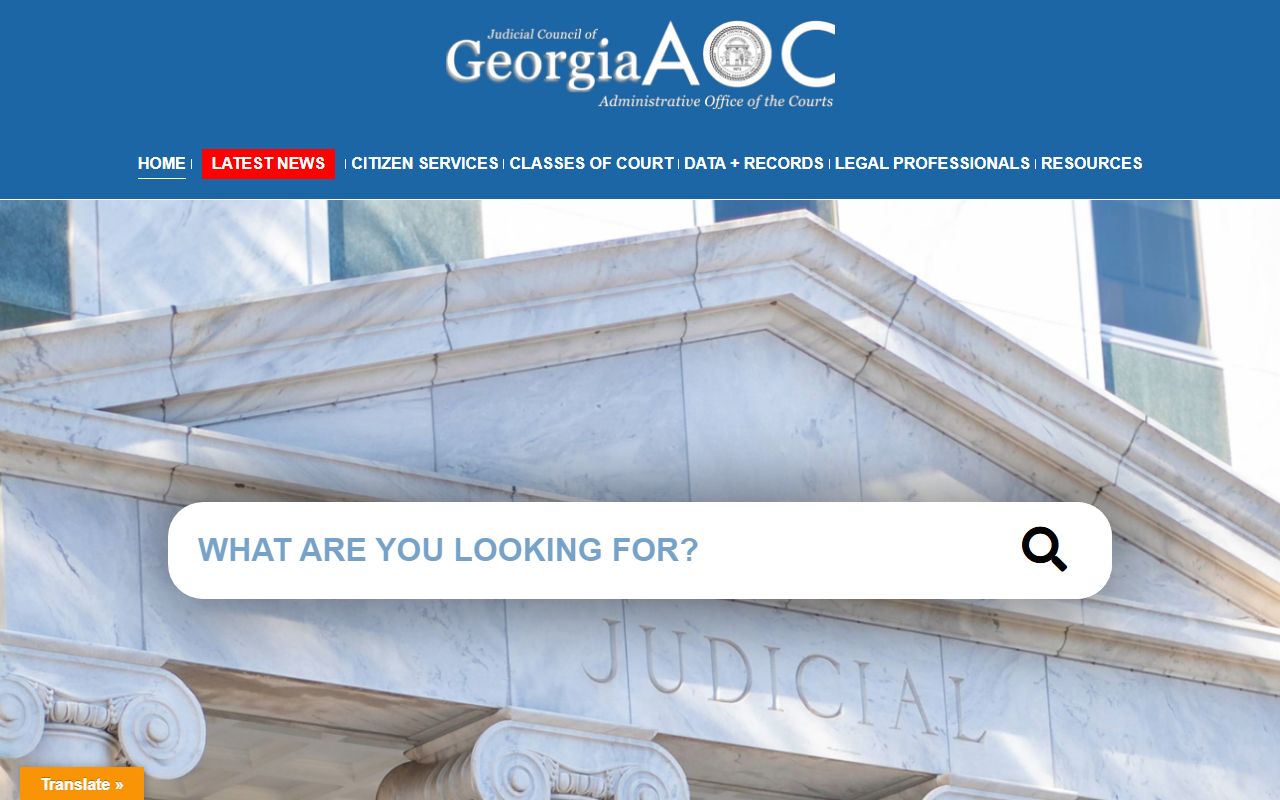
Georgia Courts offers filing guides, self-help forms, and information on how court records are maintained throughout the state's Superior Court system.
Some records carry restrictions. When minor children are involved, certain portions of a file may be sealed. Court-ordered sealing of financial documents can also limit access in some cases. But in the absence of a specific court order, Glascock County divorce records are open. If you are looking for a way to search remotely, contact the clerk's office directly to ask whether any online or phone-based search options exist for their records. Many smaller Georgia counties have not built web search portals, so an in-person or written request may be necessary.
Legal Help in Glascock County
For uncontested cases where both parties agree on every issue, filing without an attorney is manageable. The Georgia Courts self-help page and the free forms available there are designed with self-represented parties in mind. But if there are disputes over property, children, or support, legal advice is worth the investment.
The State Bar of Georgia has a lawyer referral service that can help you find a family law attorney who handles cases in this area of the state. For residents who cannot afford attorney fees, Georgia Legal Services Program serves rural counties and may be able to help Glascock County residents with qualifying cases. Georgia Legal Aid also accepts applications online and covers family law matters including divorce. Both programs have income limits, so check eligibility before applying. The Glascock County clerk's office can point you to any local self-help materials posted at the courthouse as well.