
Gilmer County Divorce Decree Records
Gilmer County divorce decree records are held at the Clerk of Superior Court in Ellijay, Georgia, and are open to the public under the Georgia Open Records Act. Whether you need a certified copy for a name change, a legal proceeding, or personal documentation, the clerk's office in downtown Ellijay is the right place to start. This guide covers how to request records, what those records contain, what you can expect to pay, and how Georgia law shapes the divorce process in Gilmer County.
Gilmer County Divorce Decree Quick Facts
How to Get Gilmer County Divorce Decrees
The Gilmer County Clerk of Superior Court is the official keeper of all divorce decree records in the county. The office sits at 1 Broad Street, Ellijay, GA 30540, and you can reach staff by phone at (706) 635-4462. The Gilmer County government website may list current office hours and any updates to services. Visiting in person is the most direct way to get a certified copy of a divorce decree.
When you arrive, bring as much information as you have. The full legal names of both spouses, the approximate year the divorce was finalized, and a case number if you have one will all help the clerk locate the record faster. A valid photo ID is standard for any records request. If you cannot come in person, written mail requests are accepted. Write to the clerk at the address above, describe the record you need, and include a self-addressed stamped envelope. Call ahead to confirm current copy fees and turnaround times before mailing anything.
Mail requests take longer than in-person visits. Plan accordingly if you have a deadline.
The Georgia Courts website offers general guidance on navigating the Superior Court system, including how civil case records are organized statewide. Divorce is a civil matter in Georgia, so the same general filing rules apply. If you are not sure which court handled a case, start with the county where the petitioner lived at the time of filing. In most situations, that will be Gilmer County Superior Court.
What Gilmer Divorce Records Contain
A divorce decree is the court's final order ending a marriage. It is signed by a Superior Court judge and entered into the case file. The full case file, which the clerk maintains, typically includes the original petition for divorce, responses or answers filed by the other party, any temporary orders issued during the case, the final decree itself, and any attached settlement agreements or consent orders covering property, debt, or parenting arrangements.
The decree itself will name both parties, give the date the marriage was dissolved, and set out the terms the court ordered. If the couple had minor children, the decree will address custody and visitation. Property division terms, spousal support orders, and name restoration requests all appear in the final document as well. Some of these details are sensitive, but they are part of the public record in most cases. Sealed records are the exception, not the rule, and require a specific court order to restrict access.
If you only need proof that a divorce happened and not the full details, Georgia's Division of Public Health keeps a verification index for divorces that were finalized between 1952 and 1996. Contact the Georgia Department of Public Health Vital Records office at 1680 Phoenix Blvd, Suite 100, Atlanta, GA 30349, or call (404) 657-2700. For divorces before 1952 or after 1996, the Superior Court clerk in Gilmer County is your only official source.
Gilmer County Divorce Decree Fees
Fees at the clerk's office cover the cost of pulling and copying records. Certified copies of a divorce decree typically cost more than plain photocopies because the clerk applies a seal and signature to certify the document as authentic. Call (706) 635-4462 before your visit to confirm the current fee schedule, since these amounts can change and vary by page count.
Filing a new divorce case in Gilmer County comes with its own set of fees. Superior Court filing fees in Georgia generally fall in the range of $200 or more depending on the complexity of the case and what motions are filed. If cost is a barrier, Georgia law allows petitioners to request a fee waiver. Ask the clerk about a Pauper's Affidavit, which is a sworn statement about your financial situation. If the court approves it, filing fees may be reduced or waived entirely. This does not affect the quality of the case or how the court treats your filing.
Self-represented parties can find court-approved divorce forms at no cost through the Georgia Courts self-help resources page. Using the official forms helps avoid processing delays at the clerk's office.
Georgia Divorce Laws and Gilmer County Cases
Georgia divorce law starts with residency. Under OCGA 19-5-2, at least one spouse must have lived in Georgia for a minimum of six months before filing for divorce. For Gilmer County, that means filing in the Superior Court here if this is where you or your spouse have established residency. The six-month clock runs before the petition is filed, not before the case concludes.
Georgia recognizes thirteen legal grounds for divorce under OCGA 19-5-3. No-fault divorce is available when the marriage is "irretrievably broken," which is by far the most common ground used in Gilmer County and across the state. Fault grounds include adultery, desertion, cruel treatment, and others, but proving fault adds complexity and cost to any case. Most couples in uncontested situations choose the no-fault route because it is faster and requires less court involvement.
After a divorce petition is filed and served, Georgia law requires a minimum 30-day waiting period before a final decree can be entered. This period gives the other party time to respond. OCGA 19-5-1 sets out the foundational definition of divorce under Georgia law. The general framework of the divorce process, including petition requirements, is governed by OCGA 19-5-5, which outlines what petitions must contain and how proceedings are conducted. Uncontested cases with no disputes over property or children can move through the Gilmer County Superior Court relatively quickly once that 30-day window closes.
Public Access to Gilmer Divorce Records
Georgia's Open Records Act (OCGA 50-18-70) gives the public the right to inspect and copy most government records, including court filings. Divorce decrees and case files held by the Gilmer County Clerk of Superior Court are generally public records. Anyone can walk in and request to review a file or ask for copies, not just the parties named in the case.
There are some limits. Records involving minor children can have portions sealed, and certain financial documents may be restricted by court order. But those situations are not the norm. For most Gilmer County divorce cases, the record is open. If you are searching remotely, call the clerk's office to ask whether any online search tools are available for older or more recent cases. Not all Georgia counties have built web-based search portals for their court records, and Gilmer is a smaller county, so in-person or mail requests may be the primary access options.
Legal Help in Gilmer County
Navigating a divorce without an attorney is possible, especially for uncontested cases where both parties agree on all issues. But legal help is valuable when things get complicated. The State Bar of Georgia runs a lawyer referral service that can connect you with a family law attorney who handles Gilmer County cases. Many attorneys offer a low-cost or free first consultation.
For those who cannot afford an attorney, two statewide organizations provide free civil legal help to qualifying residents. Georgia Legal Services Program serves rural areas of the state and may be able to assist Gilmer County residents. Georgia Legal Aid is another resource with an online intake process. Income limits apply, so not everyone will qualify, but it is worth checking if cost is a concern. The clerk's office in Ellijay can also point you toward any local legal aid resources or self-help materials available at the courthouse.
The Georgia Courts self-help page has downloadable forms and plain-language instructions that work for most straightforward cases. Start there if you plan to represent yourself.
The Georgia Courts portal provides statewide information on Superior Court operations, including how divorce cases are filed and processed across all 159 counties.
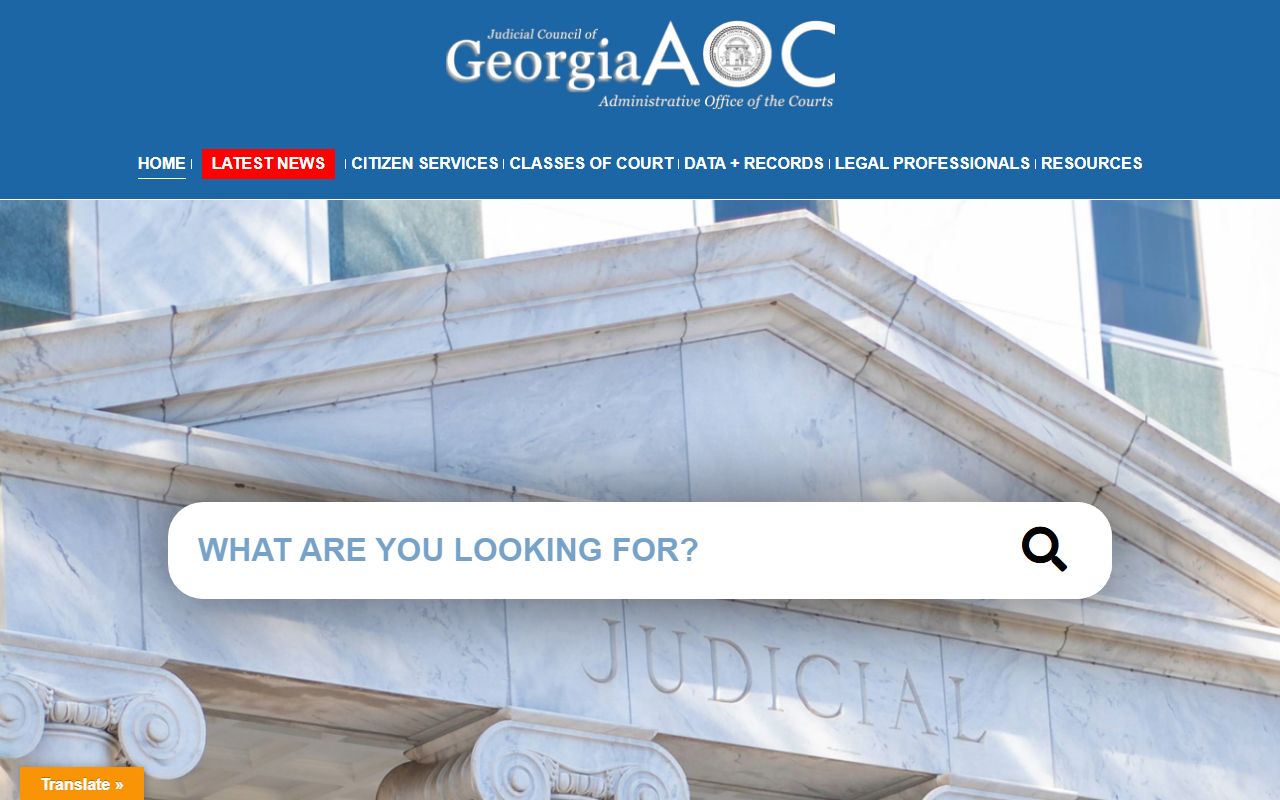
The Georgia Courts website covers filing procedures, self-help resources, and court locations for all Superior Courts, including Gilmer County.